
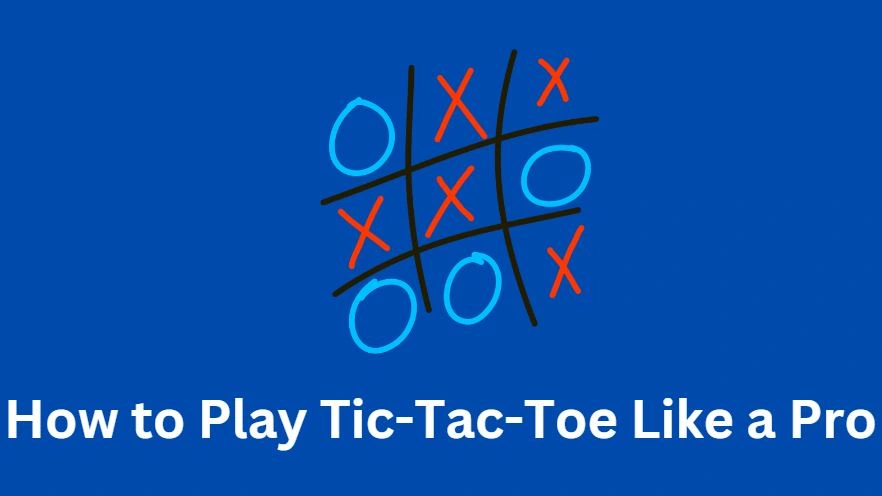
Tic-Tac-Toe looks simple. Almost too simple.
Most people learn it as kids, drawing a quick grid on paper during school breaks. You play a few rounds, laugh when it ends in a draw, and move on. But here’s the truth most people don’t realize:
Tic-Tac-Toe is not just a kids’ game.
It’s a game of logic, prediction, and mental discipline.
If you’ve ever wondered how some players never seem to lose, or why every match against a skilled opponent ends in a draw at worst, this guide is for you. Whether you’re a complete beginner or someone who wants to master the game, this article will take you step by step—from basics to expert-level thinking.
Understanding the Basics of Tic-Tac-Toe (Beginner Level)
Before you can play like a pro, you need a solid foundation.
The Game Rules (Quick Recap)
Tic-Tac-Toe is played on a 3×3 grid between two players:
- Player one uses X
- Player two uses O
- Players take turns placing one symbol in an empty square
- The goal is to get three in a row (horizontal, vertical, or diagonal)
- If all squares fill without a winner, the game is a draw
Simple rules—but winning consistently requires more than luck.
Common Beginner Mistakes You Should Avoid
Most casual players lose or draw unnecessarily because they repeat the same mistakes.
1. Playing Without a Plan
Many beginners just place symbols randomly. This works against weak opponents but fails quickly against anyone experienced.
👉 Every move should have a purpose.
2. Ignoring Defense
Some players focus only on winning and forget to block their opponent. One missed block can instantly lose the game.
3. Overlooking Diagonals
Beginners often focus on straight lines and forget diagonal threats, which are just as powerful.
Fix these mistakes early, and you’ll already be better than most players.
The Best First Move in Tic-Tac-Toe
Why the First Move Matters
If you go first, you have an advantage—but only if you use it correctly.
The Strongest Opening Moves
There are only two smart choices when starting the game:
1. The Center Square (Best Move)
- Gives access to four winning lines
- Offers maximum flexibility
- Forces the opponent to play defensively
2. A Corner Square (Second Best)
- Still strong
- Creates early pressure
- Useful if the center is unavailable
🚫 Avoid starting on edges. Edge moves limit your options and reduce winning chances.
Defensive Skills: How to Never Lose a Game
Winning is great—but not losing is the real pro skill.
Always Block Immediate Threats
If your opponent has two symbols in a row, blocking should be your top priority—even if you see a possible win later.
Watch for Forks
A fork is a move that creates two winning opportunities at once. If you don’t stop it early, you’ll lose no matter what.
Defensive awareness separates beginners from intermediate players.
Intermediate Strategies That Change Everything
Once you understand basic offense and defense, it’s time to level up.
Creating Forks (The Game-Changer Move)
A fork puts your opponent in a no-win situation.
Example:
- You position your symbols so that two different winning lines become possible on your next turn.
- The opponent can block only one.
- You win.
Learning to spot fork opportunities instantly boosts your skill.
Controlling the Center Like a Pro
If you own the center, you control the game.
Why?
- Most winning combinations pass through the center
- It limits your opponent’s fork chances
- It allows flexible attacking and defending
Whenever possible, fight for the center early.
The Power of Forcing Moves
A forcing move is one that demands a response.
Instead of reacting to your opponent, make moves that force them to block you. This keeps you in control and dictates the pace of the game.
Advanced Tic-Tac-Toe Strategies (Expert Level)
This is where Tic-Tac-Toe becomes a mental chessboard.
Thinking Two Moves Ahead
Expert players don’t think about their current move alone. They ask:
- What will my opponent do next?
- What options will that leave me?
Every move should prepare the board for your future advantage.
How to Guarantee at Least a Draw
Here’s a secret pros know:
If you play perfectly, you can never lose.
To guarantee a draw:
- Always start in the center or corner
- Block every potential fork
- Never chase risky wins
- Prioritize defense when unsure
This mindset alone makes you unbeatable against casual players.
Reading Your Opponent’s Intentions
Experienced players can sense danger early.
Ask yourself:
- Why did they choose that square?
- Are they setting up a fork?
- What line are they aiming for?
This awareness turns Tic-Tac-Toe into a psychological game.
Psychological Tips to Outsmart Opponents
Stay Calm and Patient
Rushing leads to mistakes. Tic-Tac-Toe rewards patience more than speed.
Use Predictability Against Them
Many players repeat patterns. Once you notice them, you can trap them easily.
Let Them Make the First Mistake
Against skilled opponents, forcing a draw is fine. Often, they’ll eventually slip.
Playing Tic-Tac-Toe Online vs Offline
Online Tic-Tac-Toe adds new dimensions:
- Faster gameplay
- Different themes and visuals
- AI opponents with varying difficulty
- No distractions from drawing grids
Modern platforms make it easier to practice consistently and sharpen skills.
Practice Methods to Improve Faster
1. Play Against Stronger Opponents
You learn more from losses than easy wins.
2. Review Past Games
Think about what you could’ve done differently.
3. Challenge Yourself
Try winning without using the center or experiment with different openings.
Why Tic-Tac-Toe Is a Perfect Strategy Trainer
Despite its simplicity, Tic-Tac-Toe teaches valuable skills:
- Logical thinking
- Pattern recognition
- Decision-making under pressure
- Predictive reasoning
That’s why it’s often used to introduce children to strategic thinking—and adults to mental clarity.
Frequently Asked Questions About Playing Tic-Tac-Toe
Is Tic-Tac-Toe purely luck?
No. Luck plays almost no role. Skill determines outcomes.
Can you always win Tic-Tac-Toe?
Against beginners, yes. Against perfect players, the best outcome is a draw.
What’s the biggest mistake players make?
Ignoring defense and chasing risky wins.
Final Thoughts: Play Smart, Not Fast
Tic-Tac-Toe rewards thinking, patience, and awareness more than quick moves.
Once you stop treating it as a casual doodle game and start seeing it as a strategy challenge, everything changes. Whether you’re playing for fun, competition, or mental exercise, mastering Tic-Tac-Toe is deeply satisfying.
Remember:
- Control the center
- Block before attacking
- Think ahead
- Stay calm
Do that, and you won’t just play Tic-Tac-Toe—you’ll dominate it.
1 thought on “How to Play Tic-Tac-Toe Like a Pro: Beginner to Expert Tips”